
Remote-viewing learning
Remote viewing classes for careful, curious practice.
Learn a grounded way to explore remote viewing through sensory awareness, clear notes, meaningful feedback, and the discipline of staying open to what you do not yet know.
A practical place to begin
Practice the difference between an impression and a conclusion.
Remote viewing is often described as receiving impressions about a subject before its details are revealed. Some people arrive with years of curiosity, while others simply want to understand how perception, attention, and imagination interact. Either way, a useful practice begins with a slower question: what did I actually notice before I decided what it meant?
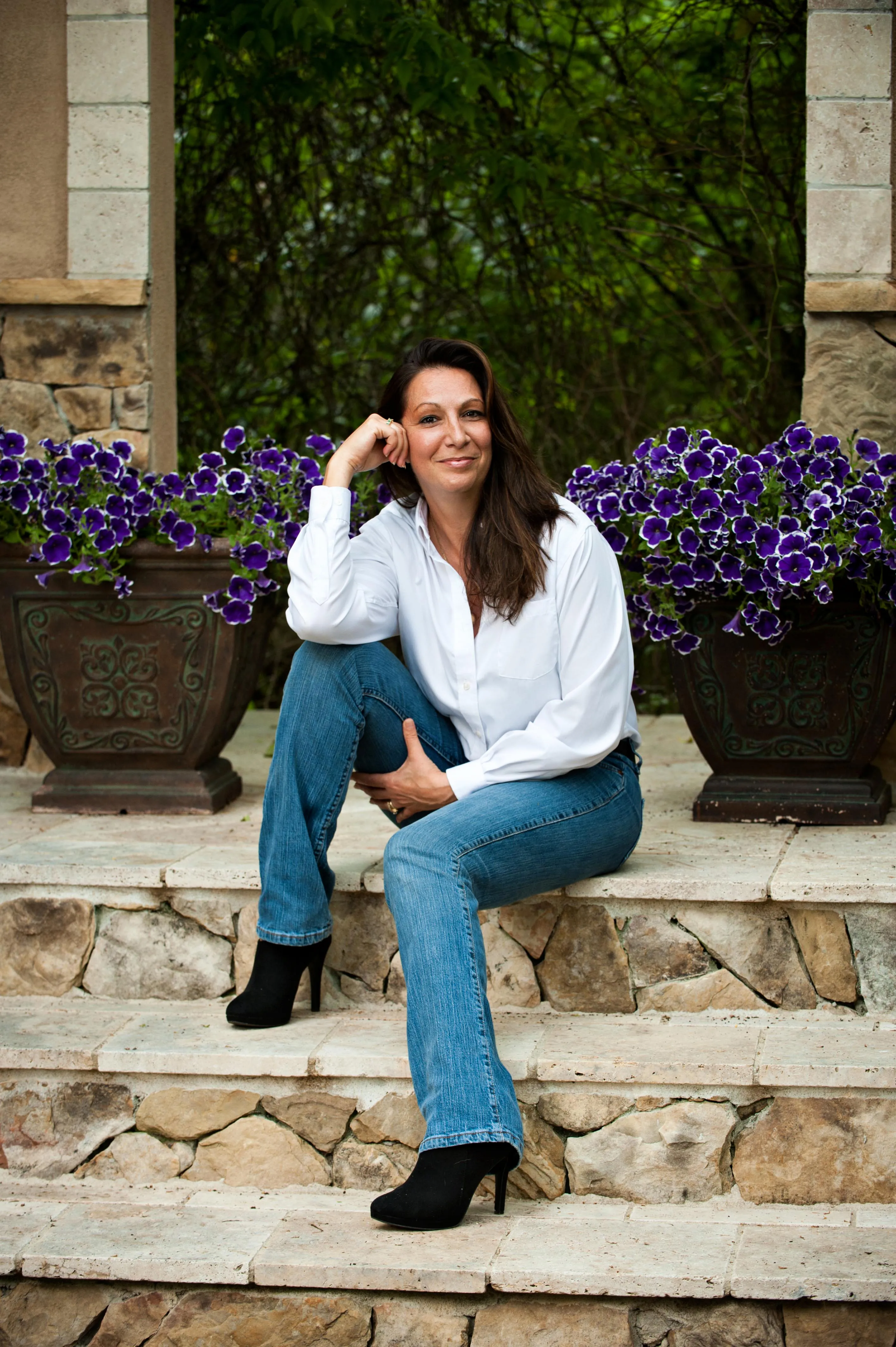
Nicole’s approach gives that question room to breathe. Rather than chasing a dramatic result, the work focuses on the skills that make reflection more honest: settling your attention, recording sensory details in plain language, noticing when a story has taken over, and comparing your notes with feedback after the practice is complete.
That structure can make remote-viewing exploration feel more human. You do not need to perform certainty or prove a belief. You need a clear process, a place to keep your observations, and enough patience to learn from what fits, what does not, and what remains unresolved.
What the learning emphasizes
Skills that support a steadier practice.
Begin with the senses
Start with simple qualities such as temperature, texture, light, sound, movement, shape, or mood. Recording a few direct impressions before naming an object helps keep the practice connected to what you actually experienced.
Keep the first notes intact
A dated notebook can show you how an impression arrived and where interpretation entered later. It turns memory into something you can revisit with more fairness, instead of relying on a feeling that a session went well or poorly.
Let feedback teach you
Feedback is where curiosity becomes learning. You can compare the target with your notes, recognize broad correspondences, see what missed, and ask how your own habits may shape what you notice next time.
A simple practice flow
Give yourself a process you can return to.
A beginning practice does not need elaborate rituals or a complicated theory. It can be as simple as choosing one contained target, setting aside ten quiet minutes, and agreeing to write down what arrives before you decide whether it is important. This keeps the attention on the practice itself, rather than on trying to have the perfect experience.
First, settle into a comfortable position and give the session a clear beginning and end. Then note the earliest impressions in uncomplicated words. You may write “cool,” “rough,” “open,” “bright,” “metallic,” or “moving” before you ever write the name of a place or object. If an image or idea appears, describe its qualities before turning it into a conclusion.
After the practice, receive the feedback and compare it with your original notes. Look for what was literal, what was broadly related, and what may have been your mind trying to complete a picture too quickly. The point is not to score yourself. It is to become more aware of your own habits and to build a record that can teach you over time.
Over several sessions, this record can reveal useful patterns. You may notice that you rush to name a target when a visual image appears, skip over sound or texture, or become less precise when you feel eager for a result. Those are not failures. They are details about your own attention, and they give you a more specific place to practice next time.
A class or guided conversation can make this process easier to sustain. It gives you structure, a place to ask questions, and a reminder that uncertainty is part of learning. You can take the notes seriously without treating every impression as a fact, which is a valuable discipline in any reflective practice.
For a learning process, not a performance
There is value in starting small.
Many people become interested in remote viewing because they have had a vivid dream, a strong feeling, an unexplained moment of connection, or a question about the range of human perception. Those experiences can be meaningful without needing to become a grand claim. A careful class gives you a way to explore them with more structure.
You may work with a simple concealed target, a quiet reflection prompt, or a sensory exercise that helps you distinguish a literal impression from a quick interpretation. The goal is not to hand your authority to a teacher. It is to develop a repeatable way of paying attention and to become more aware of how your own mind makes meaning.
Nicole brings together remote-viewing practice, sensory development, intuition, and reflective conversation. Her teaching invites both curiosity and discernment, so the learning can support your wider life instead of becoming detached from it.
A thoughtful class may include
- A clear intention and a contained practice session
- Simple sensory language before interpretation
- A written record of what arrived first
- Feedback that makes room for both matches and misses
- Reflection on habits, expectations, and uncertainty
- A grounded next step for continued independent practice
A respectful way to explore
Curiosity works best when it keeps its boundaries.
Remote viewing is not a replacement for direct communication, reliable evidence, professional expertise, or ordinary care. It should not be used to diagnose a health condition, predict a financial outcome, decide a legal matter, locate a missing person, or make a safety-critical choice. Important questions deserve the best available facts and qualified support.
Boundaries do not make exploration smaller. They make it safer and more useful. When you know what a practice can and cannot carry, you are free to be curious without placing too much weight on any single impression. You can return to your notes, seek feedback, ask a better question, and remain connected to the relationships and responsibilities that matter in your life.
This is also why pacing matters. A person who feels unsettled, frightened, isolated, or unable to manage daily life should pause the practice and return to grounding supports. Rest, routine, time outdoors, honest conversation, and appropriate professional care all belong in a well-rounded life.
Choose your next step
Talk through the kind of learning that fits your curiosity.
Remote-viewing learning does not need to start with a large commitment. A complimentary call gives you space to share what has drawn you to the practice, ask about current options, and decide whether a private conversation, a group experience, or an independent resource would be most useful.
Come with a question, a notebook, or simply an interest in learning how to observe more carefully. Nicole can help you find a starting point that respects both your curiosity and your own pace.
Book a complimentary callYou may be a good fit if you want to
- Explore remote viewing without pressure to be certain
- Build a more disciplined note-taking practice
- Learn how feedback can sharpen observation
- Bring more discernment to intuitive impressions
- Discuss current learning options with Nicole
Frequently asked questions
Do I need experience before asking about a class?+
No. A thoughtful beginning starts with curiosity, a willingness to take notes, and a respect for feedback. Nicole can help you decide whether a private conversation, a current group offering, or an independent resource is the best place to begin.
Are remote viewing classes available online?+
Nicole works remotely and can talk with you about the learning options that are currently available. A complimentary call is the simplest way to discuss your interests, experience, and practical questions.
What will I learn to pay attention to?+
The learning focuses on slowing down, recording sensory impressions before interpreting them, separating observation from story, and using feedback to reflect on the process with care.
Can remote viewing replace professional advice or direct evidence?+
No. Remote-viewing practice is not a substitute for medical, legal, financial, safety, or mental-health guidance. Important decisions deserve reliable facts and qualified professional support.
Start with a question
Explore remote viewing with care, clarity, and room to learn.
Talk with Nicole about current remote-viewing learning options and the most fitting way to begin.
Ask about remote viewing classes